June 30, 2026
The Tiredness of Being Yourself Isn't What You Think
There is a weariness that sleep does not repair. You rest, you even settle the worries that seemed to cause it, and it remains, intact, beneath everything else. We call it weariness of living, and the word plants an error. Perhaps it is not life that weighs, but the fact of knowing it.
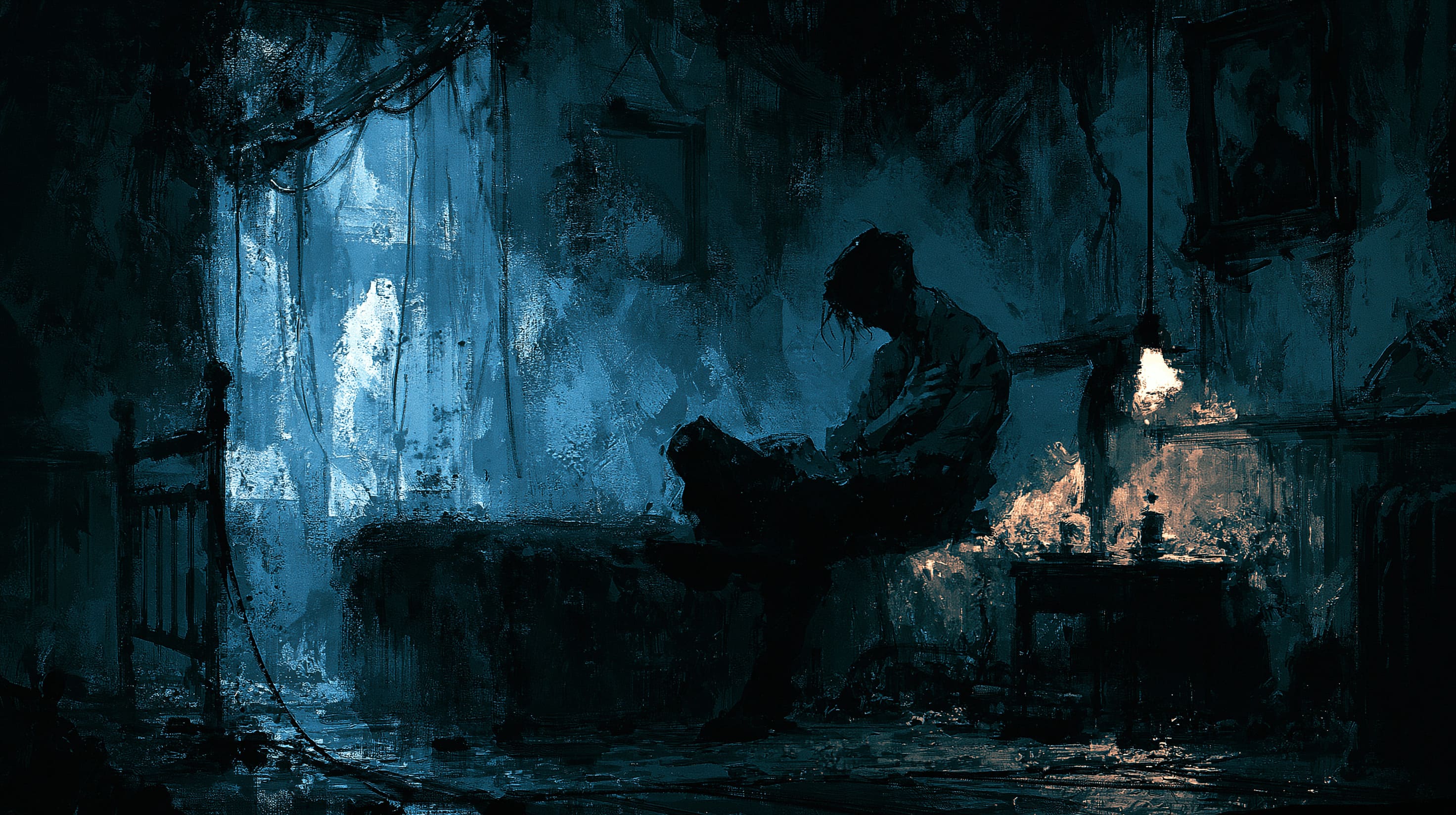
A weariness with no visible cause
The peculiar thing about this tiredness is that it resists every cause we assign to it. We blame work, and it survives the holidays. We put it down to a hard patch, and it crosses the happy patches without going out. We think it a matter of willpower, and effort only thickens it. Each explanation shifts it toward an accident, the weather, the age, a lack of discipline, so as to spare the structure. It is the oldest reflex: to name an ailment by its surface in order not to look at its source.
The source here is not in what happens to us. It is in the instrument that records what happens to us. We carry a consciousness that never fully switches off. It comments, anticipates, compares, returns to what was and rehearses what is not yet. It turns every presence into a presence held at a distance from itself. And this faculty, which we were taught to revere as the mark of our greatness, has a reverse the tradition keeps quiet: it digs into existence a gap that nothing durably fills. We do not inhabit our life like a place; we undergo it like a light too harsh.
The word that was missing
A word is often missing for what we sense with precision. When the word is missing, the idea takes refuge in families that are not its own, borrows clothes too wide, lets itself be mistaken for its neighbours. Part of the contemporary weariness suffers from this poverty of name. We speak of disenchantment, of burnout, of the absurd, of world-weariness. These terms sometimes strike true, but they leave a more decisive source in shadow.
There is a term for it, coined from the Greek: misonoia, from misos, aversion, and nous, the mind, the consciousness that turns back on itself. Literally, the aversion to consciousness. The word immediately calls for its cautions, for it is easy to mistake for what it is not. It is not self-hatred: it is the tiredness of inhabiting a consciousness too vigilant, too exposed to itself. It is not the wish to die: it is the wish to exist without having to watch oneself exist. Thinking is not the grievance. Being unable to stop thinking, that is the grievance.
What it is not
To pin down this tiredness, it is better to proceed by contrasts, for its neighbours, too welcoming, would adopt it and dull it.
It is not depression. Depression is a state: it arrives, settles, sometimes leaves, without asking the opinion of the one it crosses. Misonoia is a position: it asserts itself, it can be argued, it can be held by perfectly clear minds. To confuse the two insults both. We then medicalise what we do not want to hear, and the prescription excuses us from answering.
It is not nihilism. The nihilist says nothing matters, and rests in that nothing as in an armchair; his indifference protects him, including from himself. Here it is the reverse: something matters terribly, presence, truth, the fact of being delivered to the day, and it is because it matters that consciousness is called to account. Whoever says all is empty has already sat down. Whoever feels this tiredness stays standing in what burns them.
Nor is it simple pessimism, which counts the misfortunes of the world and stops at the results. This tiredness goes further back, to the faculty that turns every joy into awareness of its end, every presence into separation. It does not say the world is bad. It suspects the organ through which the world becomes a weight to us.
Naming without curing
We must be honest about what a name brings, and what it does not. The name cures nothing. It offers neither method, nor consolation, nor workable wisdom. Anyone selling a way out of this tiredness would be lying, for the difficulty lies precisely here: the instance that would need reforming is also the one that would do the reforming. You do not set consciousness down like a burden, since the arms that would set it down are the burden itself.
What the name brings is more modest, and rarer. A pain without a name is a pain without a trial: it wanders, charges itself to makeshift causes, and the one who carries it believes himself alone, the ashamed inventor of an ailment without precedent. Naming this tiredness will relieve no one by a gram. But it will strip it of its last comfort, which was to pass for a private matter, a personal flaw. What you feel has a shape, a logic, and others before you felt it to the point of making works of it.
Then one question remains, and it opens more than it closes. If consciousness can become a weight for those who carry its excess, what is it exactly for everyone? What share of any life wears itself out in knowing itself alive? There is no reassuring answer to give. There is only the strange relief of holding, at last, the exact word, and of ceasing to call light what burns us.